Project “X” Tours Japan Day by Day: DAY 9


17 MAY


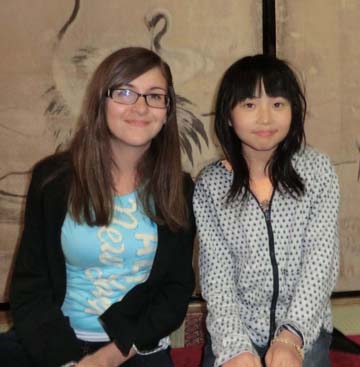
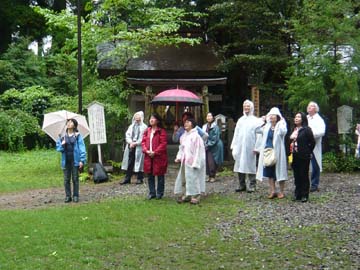
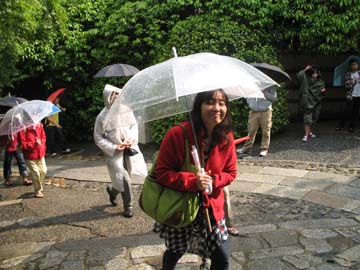
Miyuki walking in the rain outside Ginkakuji Temple. PHOTO: Gary Buchanan


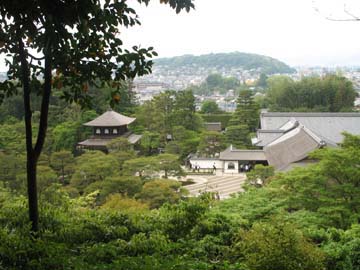
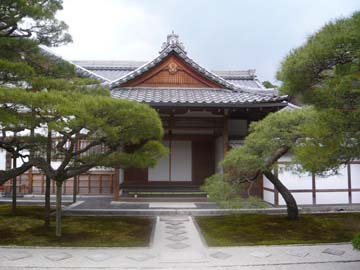
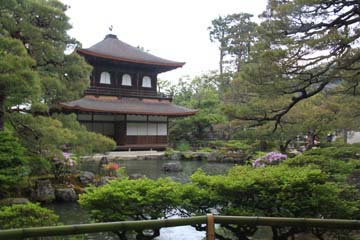
Breakfast at the hotel, facing the Pacific Ocean. Then, departure by bus from Ise to Kyoto at the center of the island of Honshu. Kyoto was Japan’s capital and imperial residence from 794 to1868 C.E. Sightseeing in Kyoto including Ginkakuji Temple. Rain! After lunch, visit the Temple of the Golden Pavilion (Rokuon-ji-kinkaku) and the Ryoan-ji Temple. Free for dinner. Overnight at Hotel Keihan Kyoto.


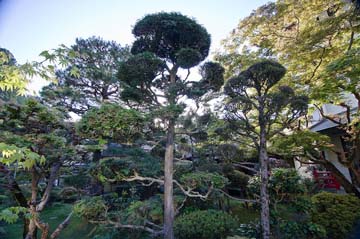
Ginkakuji Temple forest overlooking the city of Kyoto. PHOTO: Gary Buchanan


Near the end of the eighth century, when the influence of Buddhist priests on the imperial government became too great, the emperor Kammu built a new capital—Heian-kyo (“tranquility and peace capital”)—designed as a scaled replica of the then Tang dynasty ‘s capital of Chang-an (present-day Xian) in China. The new city grew into Kyoto, which remained the capital of Japan until Tokyo was chosen in 1868.

The numerous historic monuments of ancient Kyoto are listed by UNESCO as World Heritage Sites. With its 1,600 Buddhist temples and 400 Shinto shrines, as well as palaces, gardens, and architecture intact, it is one of the best-preserved cities in Japan and holds some of the most famous temples in Japan.


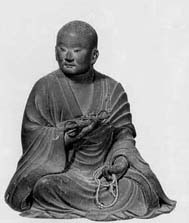
Kobo Daishi


Kyoto was another place that was significant in the life of Kobo Daishi. Kyoto was where Kobo Daishi first studied meditation as a youth before he left for China in 804; and it is where he returned two years later and received permission from the emperor to teach. In Kyoto, Kobo Daishi established the first tuition-free university for commoners and taught for ten years, moving from temple to temple around the capital until he was granted Mount Koya-san to create a spiritual training center. At the Imperial Palace in Kyoto, shortly before his death in 835, Kobo Daishi performed a week-long service for the eternal peace of Japan.


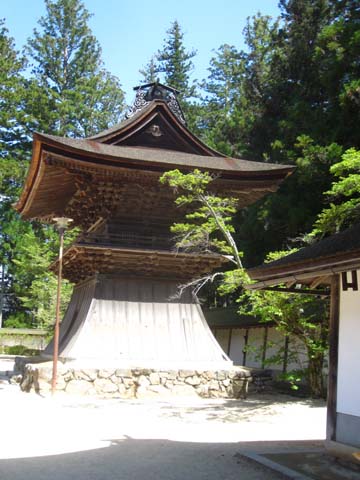
GINKAKUJI TEMPLE

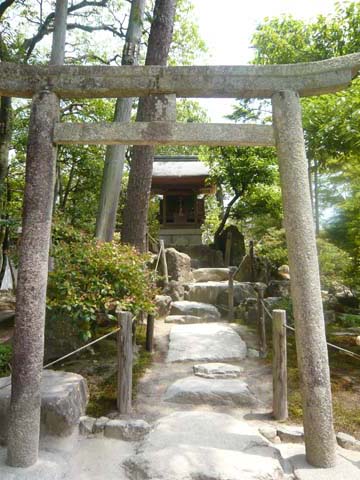
Ginkakuji Temple Gardens entrance. PHOTO: Sean Savoy


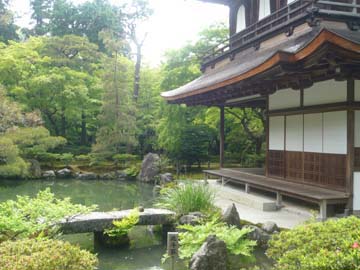
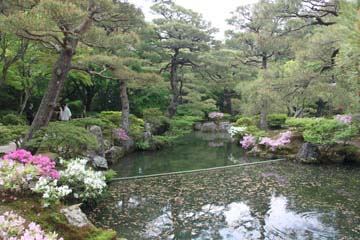
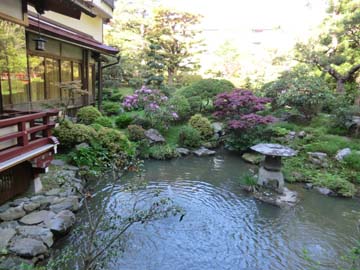
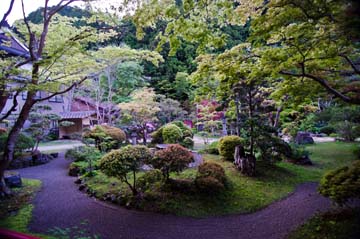
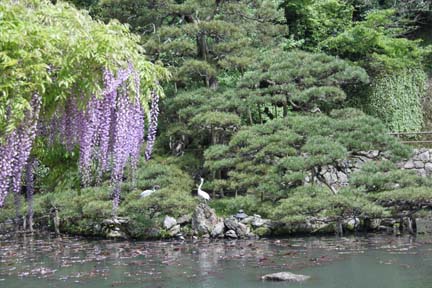
Ginkakuji Temple Gardens.


Ginkakuji Temple Gardens. PHOTO: Rob Roy


Ginkakuji Temple Gardens.


Ginkakuji Temple Gardens. PHOTO: Sean Savoy


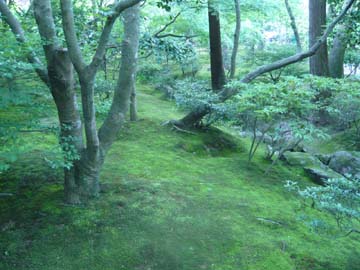
Ginkakuji Temple forest. PHOTO: Sean Savoy


Read about the Temple of the Silver Pavilion at Ginkakuji Temple in Wikipedia.


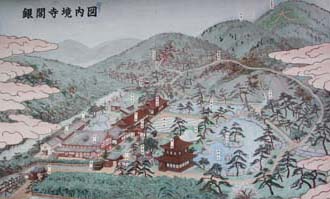
Map of Ginkakuji Temple Complex. PHOTO: Rob Roy


TEMPLE OF THE GOLDEN PAVILION

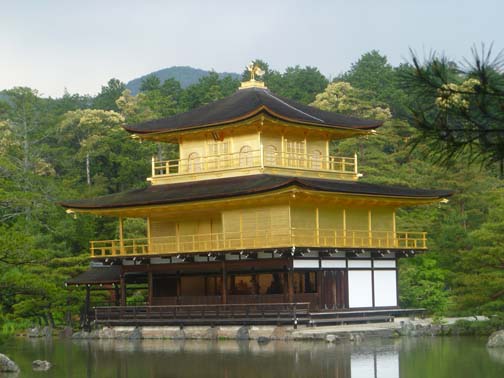
Temple of the Golden Pavilion. PHOTO: Sonya Savoy


The Temple of the Golden Pavilion (Rokuon-ji-kinkaku) is a Zen Buddhist temple and one of the most popular buildings in Japan. Each of its three floors is styled on a different architectural heritage period. Its garden is an excellent example of Muromachi Period garden design and is one of 17 World Cultural Heritage Sites in Japan.

Read more about the Temple of the Golden Pavilion at Kinkakuji-ji in Wikipedia.


TO-JI TEMPLE

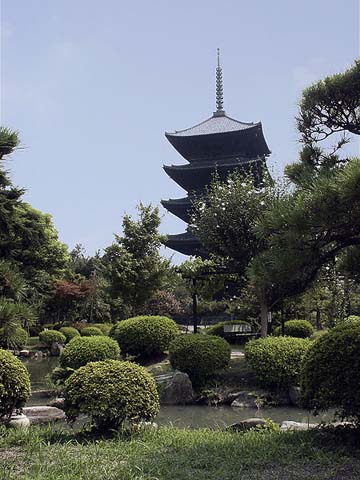
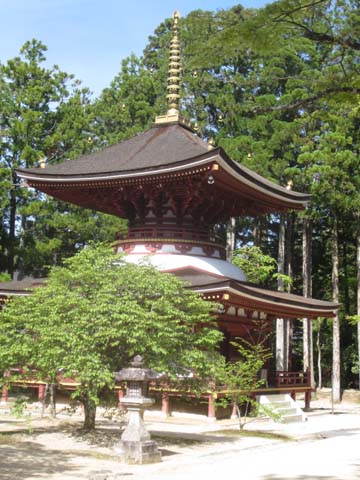
Five-story pagoda of To-ji.

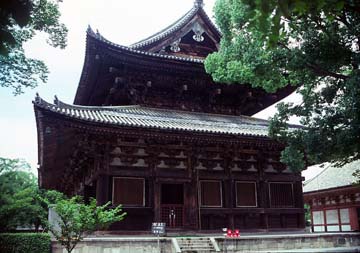
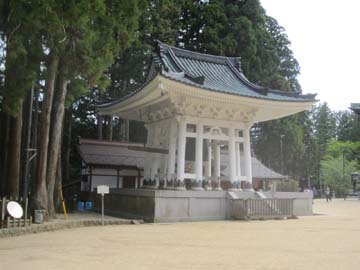
Toji Temple Main Hall.


In Toji Temple are housed fifteen gold statues that Kobo Daishi brought back from China.

Read about Toji Temple in Wikipedia.


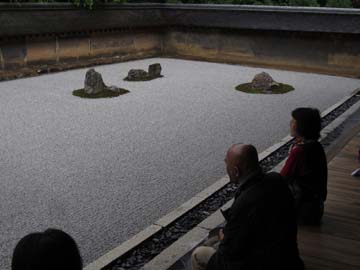
RYOAN-JI TEMPLE

Tour members at the Ryoan-ji Temple Garden. PHOTO: Ron Theriault


Read about Ryoan-ji in Wikipedia.


<DAY 8>

<DAY 10>


Project “X” Tours Japan Day by Day: DAY 8


16 MAY


Breakfast at hotel. Depart by bus for Ise, Mie Prefecture, on the Shima Peninsula, home to the Ise Grand Shrine (Ise-jingu), Japan’s most sacred Shinto shrine. Lunch and more sightseeing in Ise. Dinner and overnight at Hotel Ijika-so on the sea.

View from the Hotel Ijika-So. PHOTO: Ron Theriault


RADIATION PROTOCOL POSTED ON YOUTUBE

After breakfast on May 16, Gary Buchanan posts his radiation protocol on YouTube. Link to the YouTube Radiation Protocol video.


ISE GRAND SHRINE

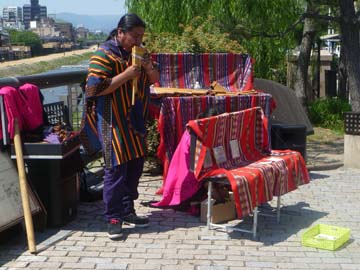
Vendor on the old approach to Ise Inner Shrine. PHOTO: Sonya Savoy

“We boarded the bus at 9:00 AM on our way to the Ise Shrine.

“We visited two shrines at Ise, the newer and the older. The older is being rebuilt, as is the custom, every twenty years.

“There is an entire town built around the sanctuary — lots of shops — and where our restaurant for lunch is located.

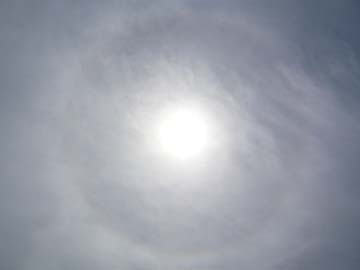
“Many of us notice and photograph rainbow rings around the sun.”

—Journal entry by Gary Buchanan


Mythology is as important to the Japanese people as it was to the early Greeks. The difference is that the descendants of the gods no longer reign as kings in Greece; in Japan, the descendants of the kami (spirits) remain the ancestors of many ancient clans, including the imperial family. Ise is home to Ise Grand Shrine (Ise-jingu), the most sacred Shinto shrine in Japan. The history of the city is linked to that of the Ise Grand Shrine. Ise has long been a popular destination for travelers. The settlements that grew around both the Inner and the Outer Shrine developed into small villages, and these grew into the present city of Ise.

Ise Grand Shrine has two main parts, the Inner Shrine and the Outer Shrine. They are about three miles apart and are joined by a pilgrimage road. Both parts of the main sanctuary are situated in two hundred acres of “divine forest” that has been untouched since the time the shrines were founded nearly two thousand years ago. The forest is now a national park.

The imperial Sacred Mirror (Yata no Kagami), one of the Three Sacred Treasures of Japan, is said to be housed within the grounds of the shrine.

The shrine, rebuilt every twenty years with fresh lumber, is in its 61st reconstruction, which indicates that this tradition has been carried out for the past 1,220 years. It is customary for pilgrims to visit the Outer Shrine before following the pilgrimage route to the Inner Shrine. Even the emperor follows this custom.

The Outer Shrine, founded about 1,500 years ago, is dedicated to Toyouke-Omikama, the goddess of life’s basic needs, and is surrounded by beautiful grounds and walking paths.

The Inner Shrine, founded about 2,000 years ago, is dedicated to Amaterasu-Omikami, the sun goddess, the gentle harmonizing presence who blesses everyone indiscriminately with serene light.

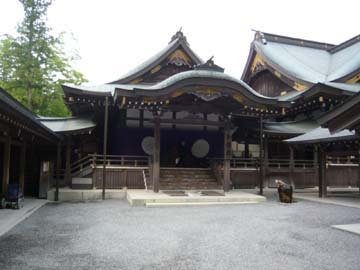
Ise Grand Shrine. PHOTO: Sean Savoy


Cultural facilities—a history museum, fine art museum, agricultural museum, and library—are housed at the top of Mount Kurata, a small hill at the midpoint of the pilgrimage road between the Outer Shrine and the Inner Shrine. Outside the grounds of the shrine are numerous historical-looking merchant buildings and eateries. The area hosts festivals of nature of all kinds throughout the year and is very popular with Japanese tourists.

Tour Ise Grand Shrine on the official web site .


SIGHTSEEING IN ISE

Scene from the seaside town of Futamigaura near the Married Rocks. PHOTO: Sean Savoy


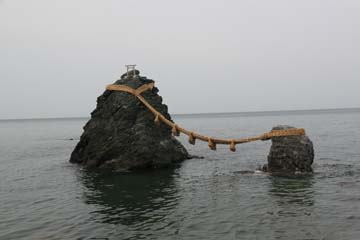
The group stops by the Married Rocks in the sea, a traditional Japanese site. PHOTO: Rob Roy


<DAY 7>

<DAY 9>


Project “X” Tours Japan Day by Day: DAY 7


15 MAY


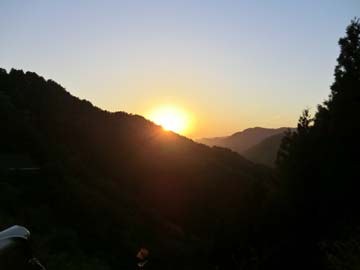
Sunrise at Mount Koya. PHOTO: Keiko Inoue

Sunrise at Mount Koya. Attend Buddhist service and breakfast at the temple. Then, on to visit temples at the old Japanese capital city of Nara, including Tachibana Temple where Prince Shotoku was said to be born in a manger like Jesus, and Todai-ji Temple. After lunch, continue on to visit Heijo-kyo or the “citadel of peace.” Dinner and overnight at Hotel Sun Route Nara.


SUNRISE SERVICE

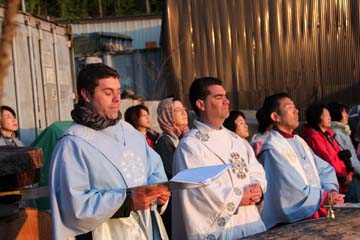
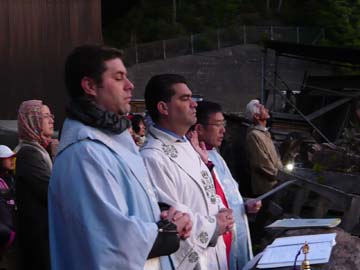
“We are up at 3:30 AM for departure by bus from the temple to a spot on Mt. Koya for a Sunday Divine Sunrise Service. Gene, Sean, Yuki, and I wear collars and vestments.

Sunrise Divine Service on Mt. Koya. PHOTO: Rob Roy

“Yuki and his team have found a select site, a construction yard on the side of Mt. Koya facing the eastern horizon. It is actually quite appropriate, as it brings to mind our construction yard at Red Rock Consecrated Sanctuary back home.

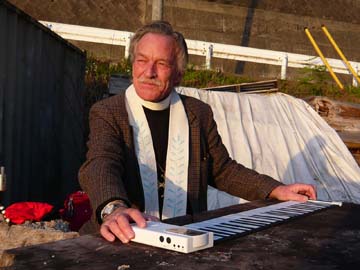
“At the site we set up a table for Gene, Sean, and Yuki to officiate. I set up just behind them on a large, flat, wooden table top — sitting on a plank — and playing the small piano keyboard.

PHOTO: Sean Savoy

“We have a slightly altered Divine Service, including prayers by Yuki in Japanese, and the singing of ‘Grant Life Unto Me’ in Nihon by our Japanese Community members.

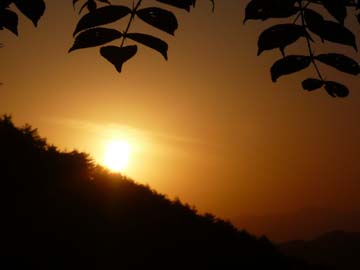
“Shortly after 5:00 AM the sun makes its way up through the trees on the horizon.

Sunrise on Mt. Koya. PHOTO: Sean Savoy


“It is a soft and comforting sun, quite special.

“We then intone the “AOUMENIMs” and set the disk in motion.

PHOTO: Sean Savoy

“After the concluding prayers I play ‘Meditation II,’ and we remove ourselves to the side for unvesting. We quickly disassemble the set-up for return to the temple.

“At 6:30 AM we attend a half-hour Buddhist service in the temple.”

—Journal entry by Gary Buchanan


Sekisho-in Temple garden. PHOTO: Keiko Inoue


NARA AND TACHIBANA TEMPLE

In the prefecture of Nara, covered by mountains and forests, the group visits Asuka National Historic Park. Here there are located numerous ancient temples of the Nara Period of Japan (710-794), the time when the royal court of Nara established relations with Sui and then Tang China.

Even today strict rules govern construction in this historic town.

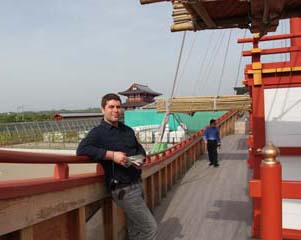
Sean Savoy in Nara on replica of diplomatic ship used for envoys to Tang China. PHOTO: Rob Roy

For a photo gallery of the ancient temples of Asuka National Historic Park, visit the official web site.

For information on Nara prefecture and maps of its location, read this article on Nara Prefecture in Wikipedia

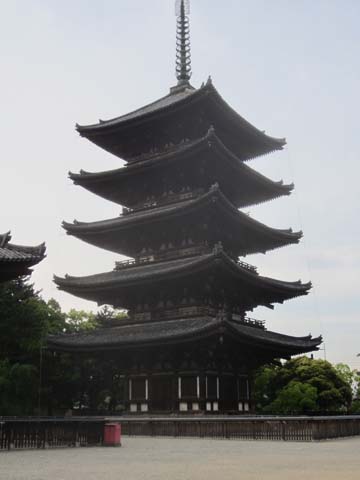
The unique five-storied pagoda is the tallest wooden tower in Japan. PHOTO: Ron Theriault


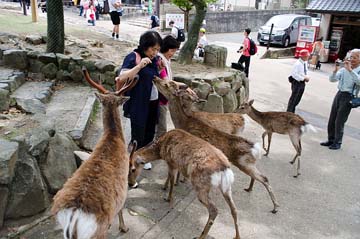
The entire city of Nara is a protected preserve for deer. Deer are everywhere, roaming the streets, filling the parks, and children and tourists are everywhere petting and feeding them.

Deer being fed by tour members. PHOTO: Jim Elliott


Among the many temples located in this area is Tachibana Temple, where Prince Shotoku (574-622 CE) was said to have been born in a manger like Jesus; one of seven major temples built by Shotoku.

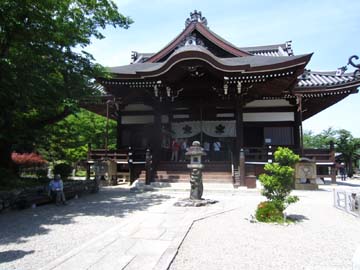
Tachibana Temple. PHOTO: Ron Theriault


Tachibana Temple interior shrine. PHOTO: Ron Theriault


Tour member paying respects at a shrine. PHOTO: Ron Theriault


HEIJO-KYO

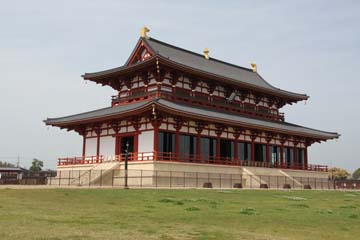
Building from the Nara Period in Heijo-Kyo. PHOTO: Rob Roy

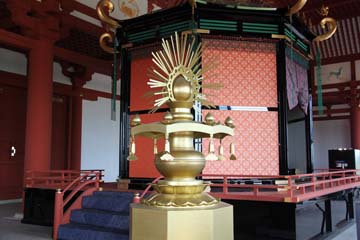
Interior of the building pictured above showing sunburst figure. PHOTO: Rob Roy

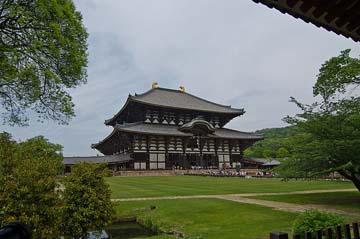
Exterior view of Todai-ji Temple in Nara. PHOTO: Jim Elliott


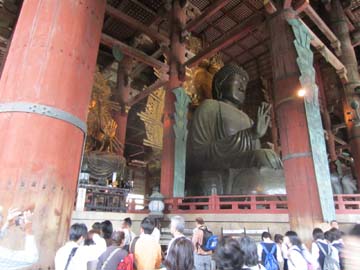
Todai-ji Temple interior with seated Buddha. PHOTO: Ron Theriault


“Heijo-Kyo, the ‘Citadel of Peace,’ is amazingly BIG! It is the largest wooden building in the world — with tens of thousands of visitors daily. The largest statue of Buddha in the world is inside.”

—Journal entry by Gary Buchanan


Sun over Heijo-Kyo. PHOTO: Sean Savoy


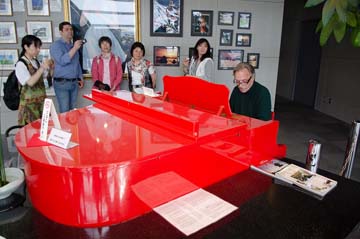
Gary at the piano in the Pearl Falco shop in Nara. PHOTO: Jim Elliott


 <DAY 6>

<DAY 8>


Project “X” Tours Japan Day by Day: DAY 6


14 MAY


Sonya Savoy and Hiroyo Ueno in front of Sekisho-in Temple. PHOTO: Keiko Inoue

Breakfast at hotel. Depart by bus for Koya-san, the headquarters of the Shingon sect of Japanese Buddhism, founded by Kobo Daishi (Kukai) in 816 CE. The Shingon teachings, or mikkyo (secret teachings), have their origin in the esoteric traditions of India and China. Lunch on the way to Mount Koya. Special arrangements have been made for our stay at the Sekisho-in Temple. Dinner and lecture on the temple grounds by Kurt Kubli Genso, an “ambassador” of the hospitality organization Yokoso! Japan, who facilitates the reception of foreign visitors to the Koya sanctuary. Overnight at the temple monastery.


KOYA-SAN

“After breakfast at the hotel, we bus off to Koya-san, headquarters of the Shingon sect of Japanese Buddhism, founded by Kobo Daishi Kukai in 816 CE.

“We lunch at a nice restaurant along the way — with stops for toilet and store visits, as well.

“We arrive in early afternoon and are met by an English-speaking (Swiss) priest, Kurt Kubli-Genso.

“Following depositing our luggage in rooms at the Sekisho-in Temple monastery, we spend the afternoon touring all the shrines — and the HUGE cemetery in Koya-san.

—Journal entry by Gary Buchanan


Sacred sites and pilgrimage routes in the mountain range of the Kii Peninsula extend for miles and have been recognized by UNESCO as one of Japan’s World Heritage sites. Mount Koya is the major one.

Koya-san is the headquarters of the Shingon sect of Japanese Buddhism and home to one of the first Japanese Buddhist temples in Japan. The sanctuary was first settled in 816 CE by the founder of the Shingon sect, Kobo Daishi (Kukai), as a training hall for the secret teachings (mikkyo) of Shingon, teachings that have their origin in the esoteric traditions of India and China.

After Kobo Daishi was initiated in China as the eighth master of Esoteric Buddhism after only two years of preparation, he returned to Japan, later to found the monastery at Koya-san.

The two main pillars of his teachings were (1) that everyone has the ability to attain enlightenment or Buddhahood (Sokushin Jobutsu) within their lifetime and (2) to bring eternal peace to Japan.

Kobo Daishi

For more on the life of Kobo Daishi (Kukai), read the article on Kukai in Wikipedia .


Okunoin, the mausoleum of Kukai, is surrounded by the largest cemetery in Japan. It is said that Kobo Daishi entered Okunoin with an oath to save people forever. He is popularly believed to be in eternal meditation here since March 21, 835.

"Hall of Lamps" in the cemetary surrounding mausoleum of Kobo Daishi. PHOTO: Jim Elliott


“Here in the sanctuary at Koya-san are planted monuments connected with the Luminous Teaching of the ancient Church of the East (Keikyo).

“I take many photos — the best in front of the Nestorian monument.”

—Journal entry by Gary Buchanan


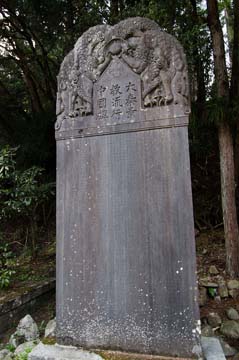
The Irishwoman E.A. Gordon, author of “On Kobo Daishi and the Nestorians in China,” donated the replica of the monument erected on Mount Koya, which was dedicated with full Buddhist ceremonial on Sunday, October 3, 1911. PHOTO: Jim Elliott


Today there are 117 temples in Koya-san, although the broader image is that the whole mountain is one large temple.

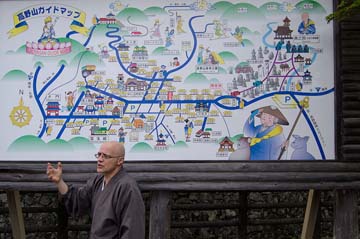
Tour guide Kurt Kubli Genso introduces the layout of the temple complex. PHOTO: Jim Elliott


The Head Temple of Koya-san Shingon Buddhism is erected on the site of the residence of Kobo Saishi’s first disciple, Shinzen Daitoku.

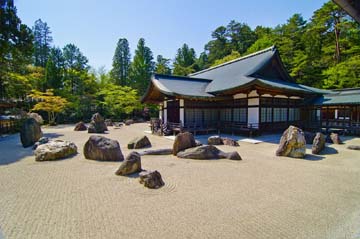
The rock garden surrounding the Head Temple, completed in 1984, is the largest rock garden in Japan and picturesque throughout the year. PHOTO: Jim Elliott


At the site called Danjo Garan, Kobo Daishi conducted the groundbreaking ceremony and dedicated his life to the construction of the monastery. The site now consists of nearly twenty structures, including the magnificent Konpon Daito, which is considered to be the central point of a mandala covering all of Japan according to Shingon doctrine. Inside are images of the eight patriarchs of Esoteric Buddhism and sixteen Bodhisattvas (Bosatsu). The main image is of the Five Buddhas: the four Buddhas of the Diamond Realm surrounding the central Buddha Dainichi Nyorai (Mahavairocana) of the Womb Realm. The hall called “Miedo” (“the hall of the honorable portrait”) contains a portrait of Kobo Daishi painted by his disciple Shinnyo and is closed to the public except for a few select people who are permitted to enter on special occasions.


Shrine site on the guided tour of Koya-san. PHOTO: Ron Theriault


Shrine site on the guided tour of Koya-san. PHOTO: Ron Theriault


Shrine site on the guided tourt of Koya-san. PHOTO: Ron Theriault


Garden at Sesisho-in Temple. PHOTO: Jim Elliott


Garden scene at Sesisho-in Temple. PHOTO: Jim Elliott

For a complete virtual tour of the sanctuary of Koya-san, the present-day headquarters of Koya-san Shingon Buddhism, visit the official web site


MIKKYO LECTURE

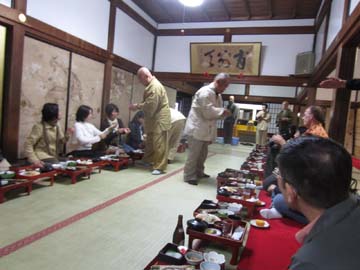
Monks serving dinner at Koya-san. PHOTO: Ron Theriault


“In the evening at dinner in the monastery, Kurt gives a long talk about his mikkyo (secret teachings).”

—Journal entry by Gary Buchanan


Kurt Genso presents lecture on the present-day inner teachings of Shingon. PHOTO: Gary Buchanan


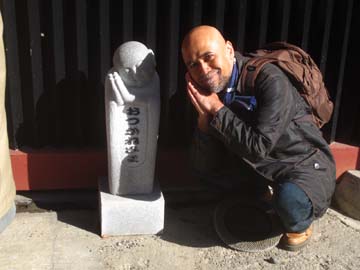
Sadayuki Hagihara (aka "Kojak") posing with a statue in front of the monastery at Koya-san prior to departure. PHOTO: Ron Theriault


<DAY 5>

<DAY 7>


Project “X” Tours Japan Day by Day: DAY 5


13 MAY


Entryway to Kono Shrine. PHOTO: Sean Savoy

Breakfast at the hotel. Then, visit the Izumo Grand Shrine, Japan’s oldest and second most important Shinto shrine. After lunch, see nearby Kono Shrine, the oldest shrine in Japan, and neighboring Manai Shrine, the original Grand Shrine where the sun goddess Amaterasu was enshrined. Dinner and overnight at the Ark Hotel Fukuchiyama.

“This day is definitely a special one for us. The sun in the morning is manifesting. I am immediately drawn into the rays and find it difficult to break away to join the others for breakfast.

“Alongside the waterway across the street there are archetypal symbols embedded in the shore’s concrete sidewalk — and they are gleaming in the mists of the crashing lake waves.”

—Journal entry by Gary Buchanan


IZUMO GRAND SHRINE

Izumo Grand Shrine (Izumo-taisha) is one of the most ancient and important sacred places of Shinto. The hall and its buildings are designated National Treasures of Japan. PHOTO: Blue Lotus


According to the oldest chronicles, Izumo Grand Shrine was the largest wooden structure in Japan when it was originally constructed. The main structure is built in the oldest style of building shrines. In 2008 the inner shrine was opened to the public for the first time in sixty years.

This sacred site is said to enshrine Okuninushi, the deity of marriage and considered to be the creator of Japan. According to the oldest chronicles of Japan, Okuninushi granted his country to Ninigi, grandson of the sun goddess Amaterasu, when he descended from heaven.

For more on Izumo Grand Shrine and a photo gallery, read the article “Izumo-taisha” in Wikipedia.


KONO SHRINE

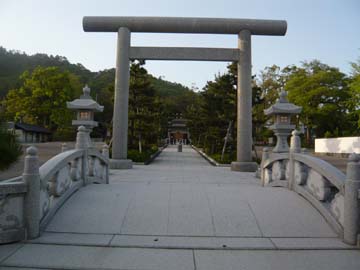
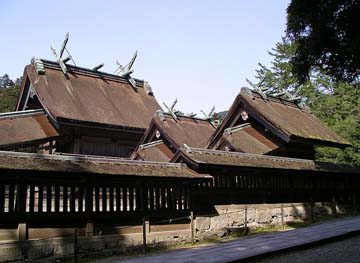
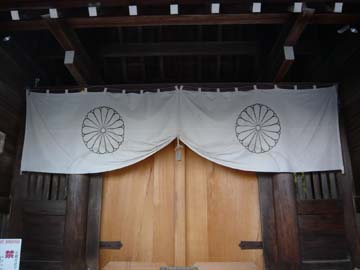
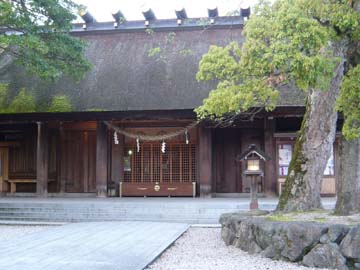
Kono Shrine, the most important shrine in Tango Province and the oldest shrine in Japan, is said to be founded more than 2,000 years ago. Pictured here is the main door to the shrine. PHOTO: Sean Savoy

Kono Shrine is, with the neighboring Manai Shrine, the original Grand Shrine where the sun goddess Amaterasu was enshrined before she resided at the present Grand Shrine in Ise.

Kono Shrine is built in a unique architectural style that is seen nowhere else but the Ise Grand Shrine.

Some recent theorists have suggested Jewish and Syrian origins for some of the peoples and religions of Japan and point to evidence for their theory with symbols found at Kono Shrine.

“We drive a couple of hours to visit the Kono Shrine. It is almost sunset, and the sun continues to manifest.

“On the way we visit a winery near Kono and check out the products. The light outside is irresistible, so I spend most of my time on the outside porch observing the light over the vineyards and local lake.

“Following the winery visit, we drive only a couple of blocks to the Kono Shrine, oldest in Japan. It is now sunset, and even though we can take photos out front and watch the setting sun over the shrine, the shrine proper is closed and gated off.”

—Journal entry by Gary Buchanan

Link to the Kono Shrine official web site.


MANAI SHRINE

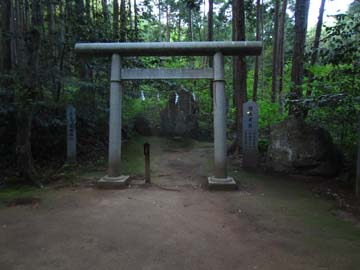
Manai Shrine, dedicated to the god Izanagi, is located behind Kono Shrine and is part of the original Grand Shrine. Pictured is the main entrance. PHOTO: Sean Savoy


“We begin walking west and up another high hill to the Manai Shrine — that of ‘eating and wellness,’ from ‘manna.’

“While we are ascending the stairs up to the shrine, I hear people calling my name and telling me to hurry.

“As I reach the top, along with the others there is a fellow standing directly in front of the shrine with his back to us.

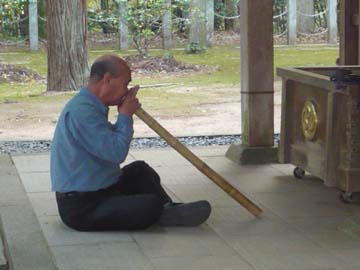
“Then, just as I arrive and take my directed position behind him, he begins playing an ancient stone flute melody, with long, drawn-out high tones, in worship. He is cycle-breathing, and the piece goes on for quite some time.

“I hasten to pull out my camera and begin videoing his performance.

Musician playing bamboo flute at Manai Shrine. PHOTO: Sean Savoy

“Next, he changes his stone flute (iwabue) to one in a higher range. This was followed by a vocal chant — quite strongly delivered. Finally, he picked up a bamboo didgeridoo and began playing — clearing the shrine — then turning and pointing the sound at each of us in the assembly.

“I am able to capture a bit of both the flute and vocal chant before my video card is full.

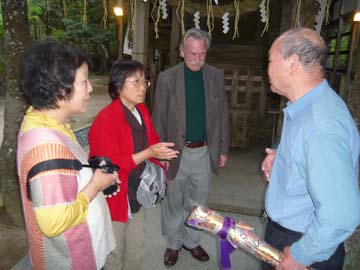
Gary and other tour members visit with the musician after his performance. PHOTO: Sean Savoy


“Afterwards, the musician meets with me — with lots of hugs and smiles, incredible warmth — as we stand together for photos. Our Japanese Consociates explain to him that I am the musician in our religion back in the U.S.


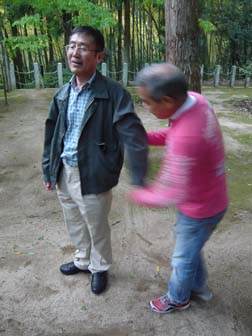
Shinto priest "clearing" field of Yukinori at Manai Temple. PHOTO: Sean Savoy

“Meanwhile, the other Shinto priest in attendance (from the Ise Shrine), over to the side, is treating Yuki — working on clearing his aura, swishing with his hands and whistling, pulling negative influences out and throwing them away.

“Gene also meets with the priest and they discuss a potential future visit to Reno for sunrise services, perhaps upcoming conference in September, etc.

“We leave the hill feeling as if ALL has been perfect on this sunny day!”

—Journal entry by Gary Buchanan

One of the smaller shrines at the larger Manai Shrine. PHOTO: Ron Theriault

Watch “Manai Sunset,” a video of the Japanese musician’s performance on YouTube.


<DAY 4>

<DAY 6>


Project “X” Tours Japan Day by Day: DAY 4


12 MAY


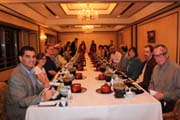
The dinner table at Hotel Ichibata. PHOTO: Rob Roy


Breakfast at hotel. Bus all day to the main island of Honshu. Upon arrival at Izumo, enjoy dinner. Bishop Gene Savoy Jr. delivers a brief talk. Overnight at Hotel Ichibata.

Visit <the island of Honshu through Wikipedia [http://en.wikipedia.org/wiki/Honshu] >.


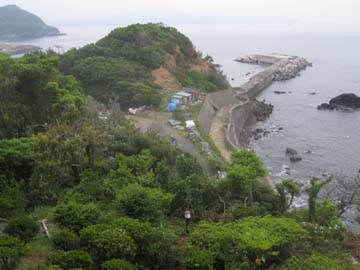
LANDSCAPES

PHOTO: Sean Savoy


PHOTO: Sean Savoy


PHOTO: Rob Roy


PHOTO: Gary Buchanan


LECTURE AT IZUMO

Gene Savoy Jr. delivers a brief lecture at the Hotel Ichibata.


<DAY 3>

<DAY 5>


Project “X” Tours Japan Day by Day: DAY 3


11 MAY

PHOTO: Sean Savoy

Communion Service and Third-Degree Ordination for Reverends Shoko Ohba and Eriko Ueno. Breakfast at hotel. Depart by bus for Seiwa Bunraku Puppet Theater to watch a full play. Bunraku companies, performers, and puppet makers have been designated Living National Treasures. Then, visit the Heitate Shrine, closed for centuries as the “Hidden Shrine.” Heitate is considered the navel of the world, where the legend of “High Heaven’s Plain” (Takamagahara) was born. Lunch. Continue by bus to Takachiho, site of one of the most well-known and important legends of Japanese mythology, that of the great sun-goddess Amaterasu. Tour Amano-iwato Shrine and Ama-no-yasugawara, the “Cave of the Sun Goddess” or “Heavenly Rock Cave.” Dance performance at nearby art center. Dinner and overnight at Hotel Shenzhou.


COMMUNION SERVICE
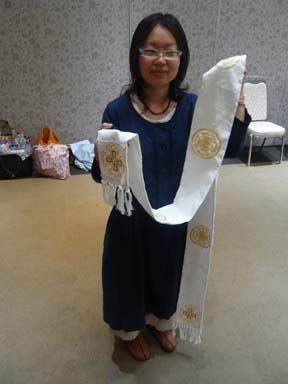
Noriko Soejima shows off her embroidery handiwork before the service. PHOTO: Sean Savoy


“Birthday of Gene Savoy, Sr. He is in our thoughts.

“We are up early (4:00 AM) to depart to a site on Mt. Aso for a sunrise service. Unfortunately, it is still overcast. Thus, we are unable to debark and set up for a service. We return to the hotel to put into action ‘Plan B.’

“After breakfast we hold a small Communion Service in a side room off the lobby … with rice cakes, followed by a 3rd-Degree Ordination service for Eriko and Shoko.
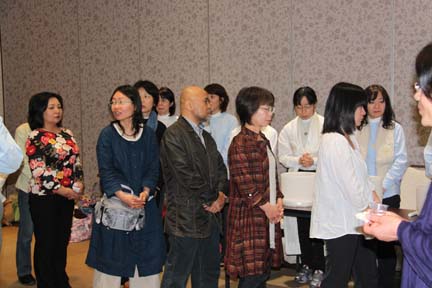
Congregation gathers for Communion of Fellowship Service PHOTO: Rob Roy

“Music is played by myself on a small keyboard … while some of our Japanese Consociates accompany with singing bowls in the correct keys. Quite effective, and there are many wet eyes in the room.”

—Journal entry by Gary Buchanan


ORDINATION CEREMONY
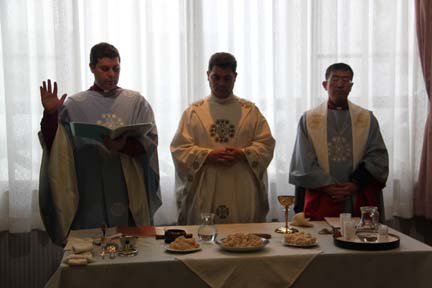
Bishops (from left to right) Sean Savoy, Gene Savoy Jr., and Yukinori Matsushita open Ordination Ceremony. PHOTO: Rob Roy Deaconesses Eriko Ueno and Shoko Ohba receive Third-Degree Ordination. PHOT Rob Roy(from left to right) Deaconesses Yaeno Sanada, Shinobu Uwataki, Miyuki Okayama, and Keiko Inoue of the Bell Choir play crystal bowls during Ordination Ceremony. PHOTO Sean Savoy


SEIWA BUNRAKU PUPPET THEATER
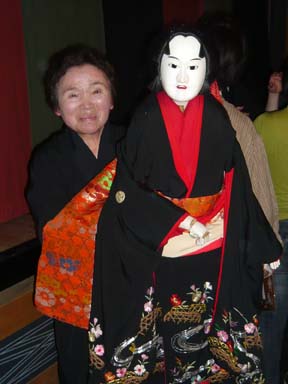
PHOTO Sean Savoy

In the Aso district the group visits Seiwa Bunraku Puppet Theater to watch a full play.

Founded in the seventeenth century, bunraku is a theatrical art form expressing the movements of human feeling and gesture. It is an author’s theater. The Joruri music that accompanies the play is a form of traditional music that emphasizes lyrics and narration over the music itself.

The puppets of bunraku range in size from two to four feet in height. The heads and hands are carved by specialists; the costumes are designed by a costume master; the preparation of the puppets’ hair is an art in itself. All but the most minor characters require three puppeteers.

Training a main puppeteer can take thirty years.

Bunraku companies, performers, and puppet makers have been designated Living National Treasures.
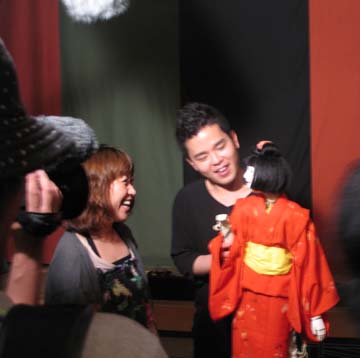
Bunraku puppeteer amuses the audience after the performance. PHOTO: Gary Buchanan

<Read about Bunraku on Wikipedia> [http://en.wikipedia.org/wiki/Bunraku].
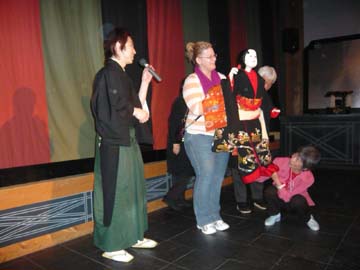
Tour member Jalayne Grady appears onstage with puppeteers and puppets. PHOTO: Sean Savoy

The theater at Seiwa is an award-winning design, a large-scale version of the conventional layered-wood structure with eaves thirty-feet high, designed to stage a form of bunraku that has been performed from the time of the Tokugawa Shogunate.

<Read about the architectural design of the Seiwa Bunraku Puppet Theater [http://www.pref.kumamoto.jp/uploaded/attachment/16270.htm] >.

 “The play was being filmed for TV broadcast on May 21.

“The theater show is a 160-year-old art form — oral tradition — drama and music, Japanese “opera.” Members of our group were invited to try out the puppets — great fun!”

—Journal entry by Gary Buchanan


HEITATE SHRINE
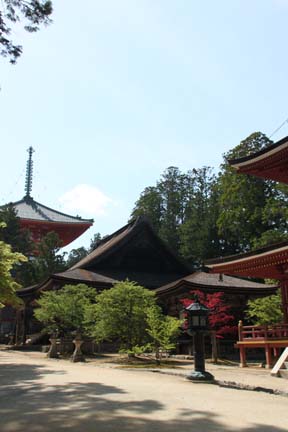
Heitate Jingu Shrine is considered one of the most outstanding power spots in Japan and the origin of the world. Every five years, a celebration is held at the shrine celebrating the origin of all peoples: the Five-Colored Grand Festival.

In the city of Aso the group visits Heitate Shrine, a famous “power spot” on the Japan Median Tectonic Line, on which are many other sacred places, including Ise Shrine. Heitate Shrine is considered the navel of the world, where the legend of “High Heaven’s Plain” (Takamagahara) was born.

Closed for centuries as the “Hidden Shrine” to preserve its extraordinary sanctity, Heitate Shrine is not big and not easy to access, but ambassadors and officials, spiritual leaders and people from around the world have come here to visit during the Five-Colored Grand Festival (Goshikitaisai), which is held every five years in August to celebrate the ancestors of humankind and to pray for peace.
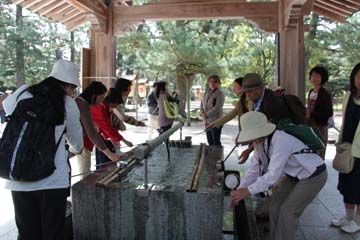
Spring at Heitate Shrine. PHOTO: Rob Roy

“At 11:30 AM we depart for Heitate Shrine — ‘Navel of the World’ — ‘High Heaven’s Plain.’

“It is a long climb up stone steps to the shrine at the top of the hill. For a long time a ‘hidden shrine,’ the original was simply trees and rocks (very old trees). Now there are several buildings and individual springs and smaller shrines…for drinking sacred waters and washing hands.

“We learn/observe the entry protocol of two bows, two claps, and final bow before entering.

“One could fee a great presence at this shrine…and after walking down a nearby pathway into the forest. There was also a unique smaller shrine with five small priests (appearing like children) looking heavenward.”

—Journal entry by Gary Buchanan
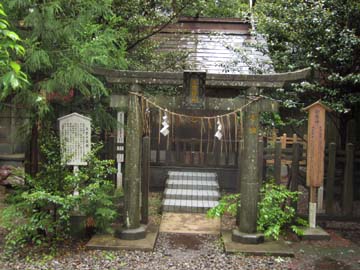
One of the smaller shrines within the Heitate Shrine. PHOTO: Ron Theriault
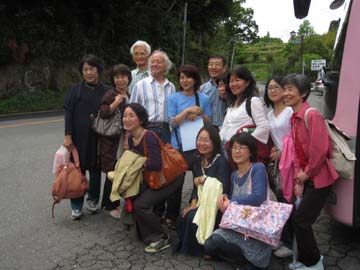
 

Members of the tour group on the way to Takachiho Shrine PHOTO: Ron Theriault


TAKACHIHO SHRINE
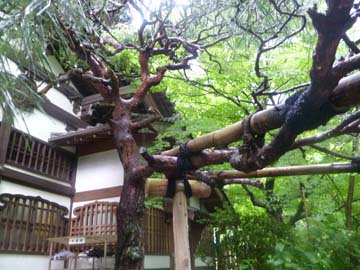
Ancient cedar tree at Takachiho Shrine. PHOTO: Sonya Savoy

Takachiho is the site of one of the most important and well-known legends of Japanese mythology. According to Japanese mythology, the land of Takachiho is where Ninigi, the bringer of celestial gifts and great-grandfather of the first emperor, descended from the heavens, sent by the Shinto sun goddess Amaterasu. According to the popular tradition, the three gifts he brought are the imperial sacred treasures: the sacred mirror, the sacred sword, and the sacred jewel. Today the mirror is enshrined at the main shrine of Ise Jingu, the sword at Atsuta Jingu in Nagoya City, and the jewel in the Imperial Palace.

Takachiho Shrine enshrines the three gods of the three generations (Joko Takachiho Sumegami) that appear in the Himuka imperial foundation myths. According to oral tradition, the shrine was founded early in the first century CE. In the precincts is an 800-year-old cedar tree planted in the twelfth century by the famous samurai Hatakeyama Shigetada, who visited the shrine on behalf of the Kamakura Shogunate.


AMA-NO-IWATO SHRINE
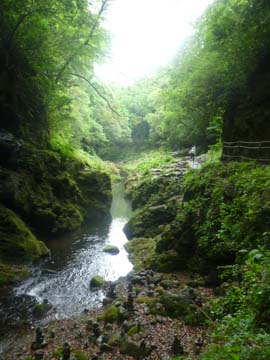
Landscape near Ama-no-iwato Shrine. PHOTO Sonya Savoy

Ama-no-iwato Shrine, according to the myth, is where the sun goddess Amaterasu hid in a cave, outraged by her brother’s cruelty, bringing darkness and cold to the world, until she was lured out by a wild dance led by Ame-no-Uzume, goddess of the dawn and revelry. The other gods placed a mirror at the opening of the cave, so that when she came out to see what was going on she would see her own image in the mirror. As she looked out, she was blinded by the light and, thinking they were celebrating the arrival of a greater goddess than herself, she came out of the cave. The world was bathed again in light and a holy seal was placed on the cave so that she could not hide there again. The Sacred Mirror, recognized as one of the three imperial gifts from heaven, is enshrined at Ise Grand Shrine.

The cave is enshrined in the West Hall of the shrine; the goddess Amaterasu herself is enshrined in the East Hall. A shortened form of the legend is reenacted for tourists every night of the year as night dances (yokagura) at the Takachiho shrine.
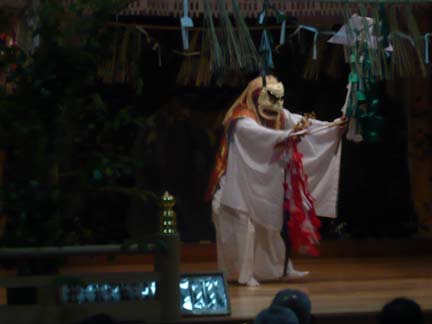
Kagura dancer. PHOTO: Sean Savoy

Read more about < kagura [http://en.wikipedia.org/wiki/Kagura]> in Wikipedia.


AMA-NO-YASUGAWARA
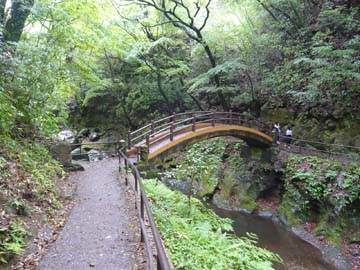
PHOTO Sean Savoy

South of town is Takachiho Gorge, formed by the lava that once flowed out of Mt. Aso. Designated as a special natural treasure and scenic spot, it is famous for the feel of its rocks and the mysterious beauty of their forms, such as the precipice Byobuiwa.

The “Cave of the Sun Goddess” or “Heavenly Rock Cave” grotto is filled with visitors and hundreds of small rock piles, devotionals built as offerings to the shrine over the centuries. This is the legendary cave where the sun goddess emerged after being kidnapped.

Manai waterfall in Takichiho Gorge is one of the most prominent falls in Japan. Approaching the falls by boat is a thrilling experience.


TRADITIONAL DANCE PERFORMANCE
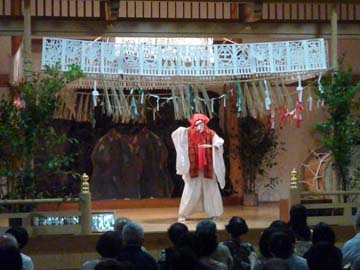
In the evening there is a dance performance at the nearby art center. PHOTO: Sean Savoy


<DAY 2>

<DAY 4>


Project “X” Tours Japan Day by Day: Participants

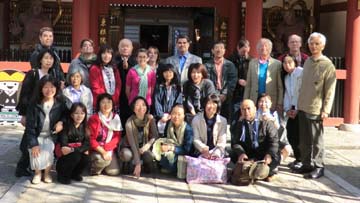
Full group photo at Koya San (except for Keiko Inoue, who is behind the lens). PHOTO: Keiko Inoue

On May 7, 2011, the Right Reverend Gene Savoy Jr., the Right Reverend Sean Savoy, and a delegation from the Reno Community made up of the Reverend Gary Buchanan, the Reverend Robert Roy, Jamila Savoy, Sonya Savoy, and Jalayne Grady left for Japan via Los Angeles, where they joined several other Community members from the United States: the Reverend James Elliott, the Reverend Karen Elliott, and the Reverend Ron Theriault.

Once in Japan, Japanese Community members joined the group to participate in the twelve-day tour of southern Japan, visiting shrines, temples, and other sacred sites. Community members from Japan who participated in the entire tour were Bishop Yukinori Matsushita, the Reverend Koshu Kawahara, the Reverend Miyuki Okayama, the Reverend Yaeno Sanada, the Reverend Shinobu Uwataki, Mitsuyo Fukuyama, Sadayuki Hagiwara, Chieko Higashi, Kazuno Kawasaki, Noriko Soejima, and Yoko Taniguchi.

Other Community members from Japan who participated in parts of the tour were the Reverend Keiko Inoue, the Reverend Shoko Ohba, the Reverend Eriko Ueno, Nami Aiki, Kazuko Akinaga, Kayoko Ikeda, Fumiyo Machida, Motoko Mitobe, Wakako Mitsunobu, Fumie Nagai, Mami Nakamura, Yasuko Nishimura, Yoko Nishimura, Satsuko Noriyuki, Kuniko Saito, Shoko Taketomi, Mitsumi Taniguchi, Saeno Tokunaga, and Keiko Yamaguchi.

The Reverends Keiko Inoue, Shoko Ohba, and Eriko Ueno worked for months prior to the tour dates to arrange the seminar tour. The Reverend Miyuki Okayama acted as tour coordinator and was assisted in this task by the Reverend Yaeno Sanada, head of the Solar Cultures Promotion Society, the organization that sponsored and produced the tour. The Reverends Koshu Kawahara and Shinobu Uwataki also served as assistants during the tour. Bishop Yukinori Matsushita, the director of the Cosolargy Institute in Japan, planned the lecture tour and served as interpreter at the symposium and throughout the tour as needed. In addition, Ms. Shinko Yoshida of the Nippon Travel Agency conducted the tour.

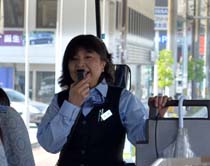
A tour conductor of the Nippon Travel Agency. PHOTO Jim Elliott

Informal talks on the ancient solar cultures of Japan were given throughout the trip, and a seminar on vibrational healing was conducted in Kyoto by the Reverend Gary Buchanan near the end of the tour.

Rev. Buchanan lecturing in Kyoto. PHOTO: Jim Elliott

Most tour members returned to the United States on May 21. As their return flight stopped in South Korea, the Head Bishop and Cardinal Bishop, together with the Reverend Robert Roy, Jamila Savoy, and Sonya Savoy, remained in South Korea for a few additional days to visit sacred sites in that country, returning to Reno on May 26.


 <PREVIOUS>  
<NEXT>


Project “X’ Tours Japan

On May 7, 2011, Head Bishop Gene Savoy Jr., Cardinal Bishop Sean Savoy, and a delegation from the Reno Church Community left for Japan via Los Angeles, where they joined other Community members from the United States. Once in Japan, Japanese Community members joined the group to participate in a 12-day tour of southern Japan, visiting holy shrines, temples, and other sacred sites. Informal talks on the ancient solar cultures of Japan throughout the trip, and a seminar on vibrational healing was conducted near the end of the tour. Most tour members returned to the United States on May 21. The Head Bishop, Cardinal Bishop, and a few others remained in South Korea for a few days to visit sacred sites in that country, returning to Reno on May 26.

For details of the itinerary and additional photos of the trip, see the full article in Special Reports.


Saturday Message, April 17, 2010

On the Saturday preceding the mission to India, Bishop Gene Savoy Jr. announced the purpose of the journey and asked the congregation of the Community to pray for the protection of himself and his Companions while they were away. The transcript of the message follows:

As you all know, I will be leaving for India on Thursday with Rev. Robert Roy and Rev. Bill Bartlett. And we will be gone for four weeks. Our mission is to introduce the universal System of Cosolargy into the Vedic tradition, which we are currently working on with Swami Atmananda and Satya-chetana.

We will be visiting with Swami Sri at his ashram for two or three days. And I hope to discuss with him some of the principles of Cosolargy, beyond what we have already discussed, and to introduce him to some of our techniques. I also hope to concelebrate a Sunrise Divine Service with him while I’m there. In addition to visiting the ashram, we will be touring southern, central, and northern India, visiting numerous ancient solar sites, temples, and healing shrines. While in northern India, we will visit Dharamsala where I have been granted an audience with His Holiness, the Seventeenth Karmapa, who is the Black Hat lama of Tibet and the spiritual head of the Karma Kagyu tradition of Tibetan Buddhism. Karma Kagyu literally means “Lineage of the Word,” and this school emphasizes highly the oral tradition and predates the Dalai Lama’s school by more than two centuries. My understanding is that there are four major traditions within Tibetan Buddhism, and that the Dalai Lama, as the temporal head of the Gelug tradition, emphasizes more of a scholastic and virtuous approach to life and to spirituality. But again, the Karmapa and his School emphasize the oral tradition, a tradition which we are very aware of in our Community.

I will present the Karmapa with the texts Jamil and The Prophecy of the Universal Theocracy, and I hope to discuss with him certain principles contained within the Sacred Teachings of Light; primarily, the aspect of God’s new Light, which is permeating the universe and bringing forth heightened levels of spiritual Consciousness by means of the Sun of Righteousness – enhanced energy levels, which, we know, have never before been experienced by the human family. Therefore, this is an important “expedition,” so to speak, and one which I hope will pave the way for future trips, including a Project “X” tour and seminar in the future. A few words from The Prophecy of the Universal Theocracy:

. . . in the ancient Indian culture, as in so many cultures of recorded history, sages had visions of a future age, an age when the Supreme Creator would intervene in the world affairs and bring peace and harmony among all peoples and all nations of the world. This age was to be one of Universal Justice and Virtue, when God would end the eternal struggle caused by human and natural order; He would use the very Powers of Creation to stabilize the Universe—an event described in the liturgical symbolism of Indian religion.Now, while we are gone, I would like all of you to help guide and protect us in our travels. And I would like you to practice a technique that was introduced to us some years ago by my late

father. In employing this particular technique, we are going to call upon the holy and wondrous Child, Jamil. And I would like you to practice this technique, which I am going to explain, at sunset each day while we are gone. Sunset here in Reno will approximately be sunrise in India, so we will, therefore, be in communion with each other. . . .

[At this point in the sermon the technique was described. Because the technique was mailed to all members of the Community personally, it is excluded from this published transcript.]

. . . I believe we were introduced to this technique several years ago, and it was explained at that time that after the first forty years had elapsed, we could then call upon The Child for aid and that before that forty years had elapsed, not even the Guardian of The Child was allowed to appeal to him. However, now we have been promised assistance from other realms, and we are mastering these techniques over decades of time. And we have been appointed to carry out these highly specialized and sacred techniques.

What this means is that our Order, the Jamilian Order, is now functioning as it has been destined to; just as the Essene Order did ages ago; just as Jesus fulfilled his preordained destiny, with the founding of the messianic Church. We succeed [them] in that tradition.

With the coming of the Angel of Light in the form of the Wondrous Child, who has proclaimed the epiphany of God’s messianic Sun of Righteousness and the Advent of the Light of Righteousness, God’s Supreme and Divine Light, the promised Second Coming has transpired. And we know that this outcome is preordained of God.

Therefore you are instructed to perform this rite daily while we are away by applying it — and I will also be applying it, in company with my companions, while we are in India. And I ask you to make this pledge to apply this technique for the four weeks. If you should be unable on any given day to watch the sun set, then practice the technique at night (with your imagination) or at sunrise in the morning.

And that is my message for you today. Thank you.