“Jaw-Dropping Image Reveals Dying Stars Entangled Like Serpents”
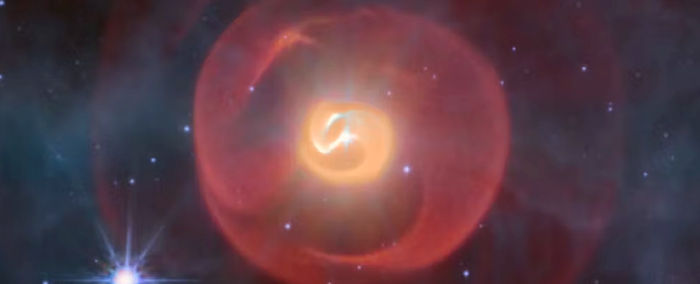
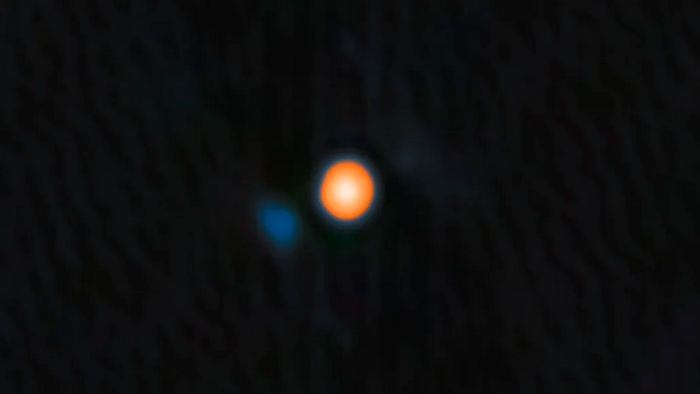
The day before my thesis examination, my friend and radio astronomer Joe Callingham showed me an image we’d been awaiting for five long years – an infrared photo of two dying stars we’d requested from the Very Large Telescope in Chile.
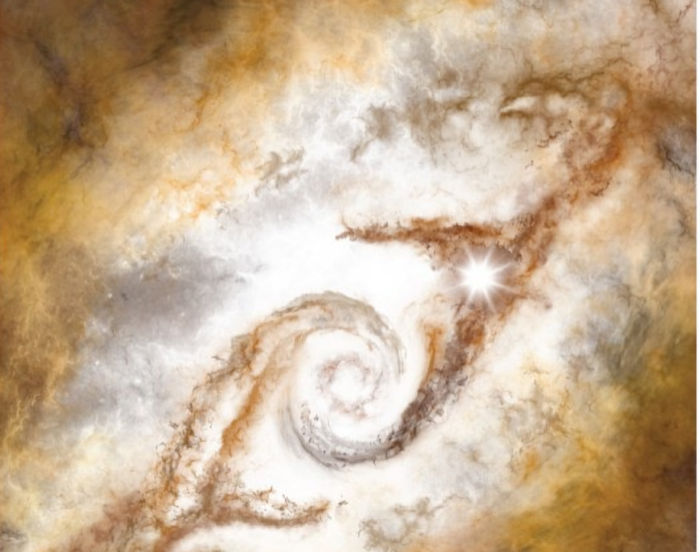
I gasped – the stars were wreathed in a huge spiral of dust, like a snake eating its own tail.