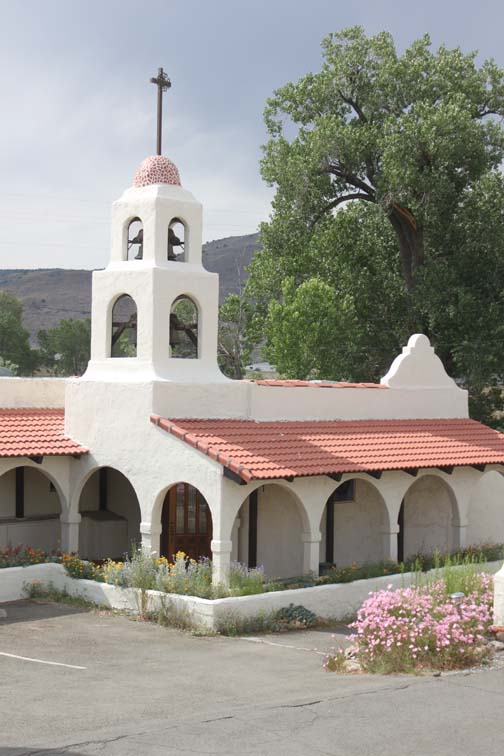
Steamboat Chapel of the Roses exterior after 2015 renovation PHOTO: Muriel Cervantes
EDITOR: How did you first come into contact with the Community?
JOHN CURRY: I was introduced to Gene [Savoy Jr.] by a mutual friend, Noel Foley, in 2000.
EDITOR: How did you first come to hear about Steamboat Hot Springs Healing Center?
JOHN CURRY: Gene actually introduced Steamboat to me. He gave me a tour of the location last year.
EDITOR: How did you become the director of the healing center?
JOHN CURRY: Gene and I discussed some ideas and thoughts about the direction and future of the spa at Steamboat, and I offered to assist/volunteer my time and knowledge last year. Gene invited me to become the director in April of this year, and I was honored to accept this challenging role.
EDITOR: What is it about your professional background that prepared you for the position?
JOHN CURRY: Thirty years of successful hotel, resort, casino, and country club senior level manager experience. I have opened and rebranded several full-service operations.
EDITOR: Could you give us a summary of what you have done with the healing center since you have been director?
JOHN CURRY: The list of individual projects is quite long, but I’ll try to list them.
Chapel of the Roses renovations are completed.
The wedding program is in its early stages. We hosted our first wedding successfully at the end of June.
We are freshening up the interior of building and treatment rooms, painting and redecorating. This is ongoing.
Our event and private party program has been started and is ongoing.
Monthly craft fairs have been started and are ongoing.
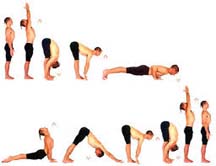
We started a new yoga program in May and that is ongoing.
We also have also started monthly retreat programs. Rebecca Willis is heading up the Save-The-Date with monthly discussions/meeting with guest speakers.
We have begun to make available hotel/spa/retreat/wedding/event packages. This also is ongoing, with room to increase. We are already working with Holiday Inn and the Hilton Garden Inn.
We have improved our retail program, beginning with handmade soaps.
We are now carrying the Two Feathers product line.
We have increased our exposure to the Asian and Hispanic demographic populations in the area, which we currently have little to no impact on. This is started and ongoing.
We have continued training our staff and have regular team meetings. This too is ongoing.
We have also recently acquired two dry saunas and are making those available to out clients.
EDITOR: That is quite a list. I suppose you also have a number of plans for the future. Would you provide us a summary of them?
JOHN CURRY: First is the pool program. This is going to be one of our biggest goals for next year: adding a main outdoor pool for multiple treatment options and to increase our soak pool options.
Next is a water bottling company for the supply of residential and commercial drinking water. This could be a major project over the next five years. It is already in the works to start in October 2015, based on final approval.
And there are new Sonatherapy programs. I am working on getting a film documentary on Gary Buchanan and his Sonatherapy work and research. And we just connected with a former National Football League 10-season Player from the Buffalo Bills, Roland Hooks, who is going to meet with Gary to discuss treatment options. I am also working on building a networking opportunity with the Reno Aces for possible treatment options with Gary.
We are also planning to add a logo line of t-shirts and bath robes available for sale. This too is in the works to start Oct 2015.
We also plan to start a facial menu program by that time as well.
And we are developing wellness programs. The first one started with Blue Moon Harvest out of Truckee, California. This program is in the early stages with lots of room to increase and expand.
And we plan to renovate two more treatment rooms, the old Tea Room and the Crystal Room, with a completion date of November 2015. And at the same time, we plan to upgrade the Indigo Room by adding a Japanese soaking tub to the current shower area.
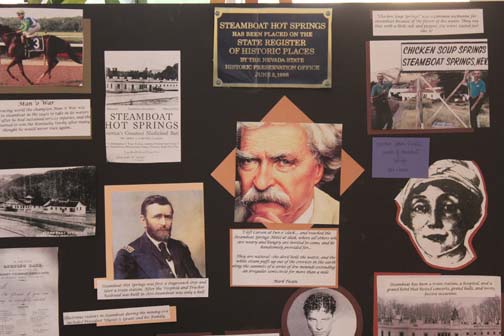
Images of historic Steamboat Hot Springs PHOTO: Muriel Cervantes