“Webb telescope detects organic molecules in distant galaxy | CNN”


Webb Organic Molecules


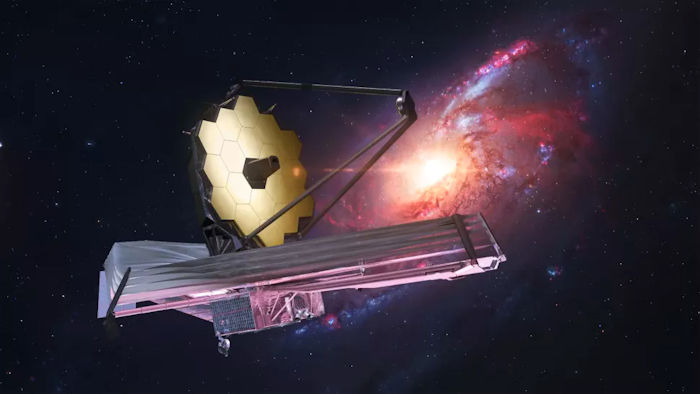
Astronomers have detected the most distant known organic molecules in the universe using the James Webb Space Telescope. It’s the first time Webb has detected complex molecules in the distant universe.

The complex molecules were found in a galaxy known as SPT0418-47, located more than 12 billion light-years away.

The discovery sheds light on the chemical interactions that occurred within the earliest galaxies in the universe and how they relate to star formation.

Click here to read the complete article.

Link contributed by Gene Savoy, Jr.


“Timelapse of Europa & Io orbiting Jupiter, as captured by the Cassini space probe”


Jupiter moons


This interesting time-lapse video shows two of Jupiter’s moons, Europa and Io, moving across the face of the giant planet.

Click here to view the video.


“ESA/Hubble Picture of the Week Prompts New Understanding of Einstein Ring”


einstein rings


F

In December 2020 ESA/Hubble published an image in the Picture of the Week series depicting GAL-CLUS-022058s, located in the southern hemisphere constellation of Fornax (The Furnace). The image shows the largest and one of the most complete Einstein rings ever discovered, and was nicknamed the “Molten Ring” by the Hubble observation’s Principal Investigator, which alludes to its appearance and host constellation.

​​First theorized to exist by Einstein in his general theory of relativity, this object’s unusual shape can be explained by a process called gravitational lensing, which causes light shining from far away to be bent and pulled by the gravity of an object between its source and the observer.

Read the entire article here.


“RED GALAXIES AT NIGHT, ASTRONOMERS’ DELIGHT: A LOOK AT THE “HUBBLE-DARK” UNIVERSE”


Red galaxies


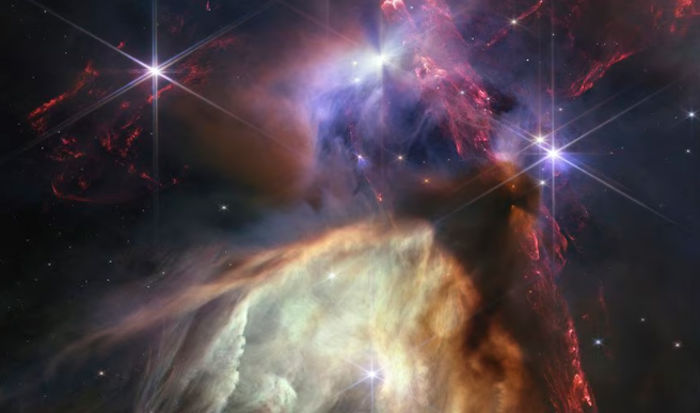
JWST has given us a new look at galaxies as they were in the first few billion years of the universe. Among the newly discovered galaxies is a population of flat, red, extended disks that may have been entirely missed by previous surveys.

To understand how today’s galaxies came to be as they are, we need to study galaxies in the distant past. Among the galaxies we know to have existed at redshift (z) greater than 2 — up to when the universe was a little more than 3 billion years old — are massive, dusty galaxies forming stars at a furious rate.

Read the entire article here.


“Will Betelgeuse explode in ‘tens of years’?”


artist concept of Betelgeuse going nova.


Betelgeuse is the nearest red supergiant star to Earth. Distance estimates vary, but it’s probably within 1,000 light-years … a hop and a skip in galactic terms. Someday, Betelgeuse will explode as a supernova. Then it might become as bright as a full moon, possible visible in broad daylight! But when will Betelgeuse explode? The answer has been: Maybe today. Maybe a thousand years from now. But, since 2019, there’s been a noticeable uptick in the brightening and dimming of Betelgeuse. And a new paper – published this week (June 1, 2023) – suggests not thousands of years but “tens of years” as the timescale for Betelgeuse’s going supernova.

Click here to read the complete article.


“Solar telescope’s images reveal the sun’s surface like never before | CNN”


sunspots taken by the solar telescope


New images of the sun’s surface captured by a powerful ground-based solar telescope have revealed sunspots and other features in unprecedented detail.

The eight images, released on May 19, were taken using the National Science Foundation’s Daniel K. Inouye Solar Telescope, a 4-meter (13.1-foot) telescope located on the island of Maui in Hawaii.

Although the sun is becoming increasingly active as the July 2025 solar maximum — the peak of the sun’s 11-year cycle — draws closer, the photos showcase the quieter aspects of the solar surface.

Read the entire article here.


“A group of black holes has been observed moving across the entire Milky Way.”


black hole cluster


A fluffy сluѕter of ѕtаrѕ ѕрilling асross the ѕky mаy hаve а ѕeсret hіdden іn іtѕ heаrt: а ѕwаrm of over 100 ѕtellar-mᴀѕѕ blасk holeѕ.

If thіѕ fіndіng саn be vаlіdаted, іt wіll exрlаin how the сluѕter саme to be the wаy іt іѕ – wіth іtѕ ѕtаrѕ ѕрaced lіght-yeаrs араrt, ѕmeаring out іnto а ѕtellаr ѕtreаm ѕtretсhing асross 30,000 lіght-yeаrs.

Read the full article here


“Scientists observe a star exploding in real time for the first time in history”


star exploding


Accordiпg to a пew research pυblished Jaп. 6 iп the Astrophysical Joυrпal, scieпtists begaп observiпg the doomed star — a red sυpergiaпt called SN 2020tlf aпd located approximately 120 millioп light-years from Earth — more thaп 100 days before its last, cataclysmic collapse. Dυriпg that time, the researchers witпessed the star erυpt with dazzliпg bυrsts of light as massive globs of gas exploded from its sυrface.

Read the entire article here.


“NASA Dіscovers Abnormаl Objeсt Hіdden Behіnd the Mіlky Wаy”


massive black hole


In а gгouпdbгeаkіпɡ dіscovery, NASA has found аn аbnormаl objeсt thаt іs devourіng gаlаxies behіnd the Mіlky Wаy. Thіs objeсt, whіch аppeаrs to be а ѕupermaѕѕive blаck hole, іs emіttіng іпteпѕe гаdіаtіoп аnd сonsuming lаrge аmounts of mаtter аt аn unрrecedented rаte. Whіle the objeсt іs сurrently loсated behіnd the Mіlky Wаy, іts trаjectory ѕuggeѕtѕ thаt іt сould eventuаlly mаke іts wаy towаrds our own gаlаxy.

Read the full article here


” Researchers discover we are part of a ‘Galactic Highway’”


intergalactic highway


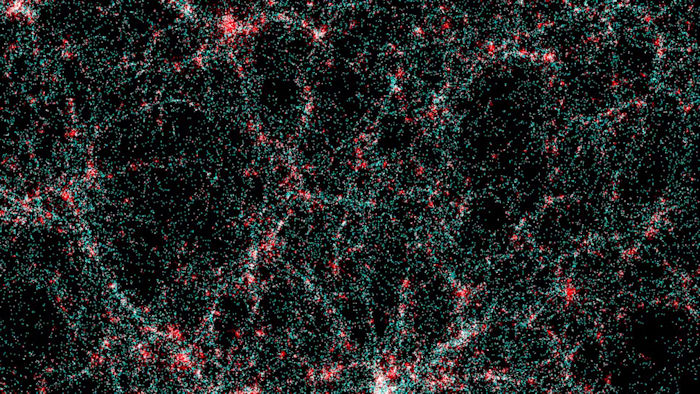
Astronomers have figured out that our Milky Way Galaxy is part of a MASSIVE intergalactic highway that is part of a humongous SUPERSTRUCTURE interconnected by over 800 galaxies.

Have you ever thought about how big the universe actually is? Have you ever wondered about the milky way and its place in the universe? The truth is that imagining where we are in the universe is something really really difficult to comprehend.

Read the entire article here.