July 4, 2020: Chapel Readings
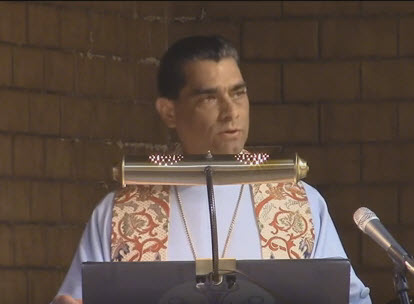
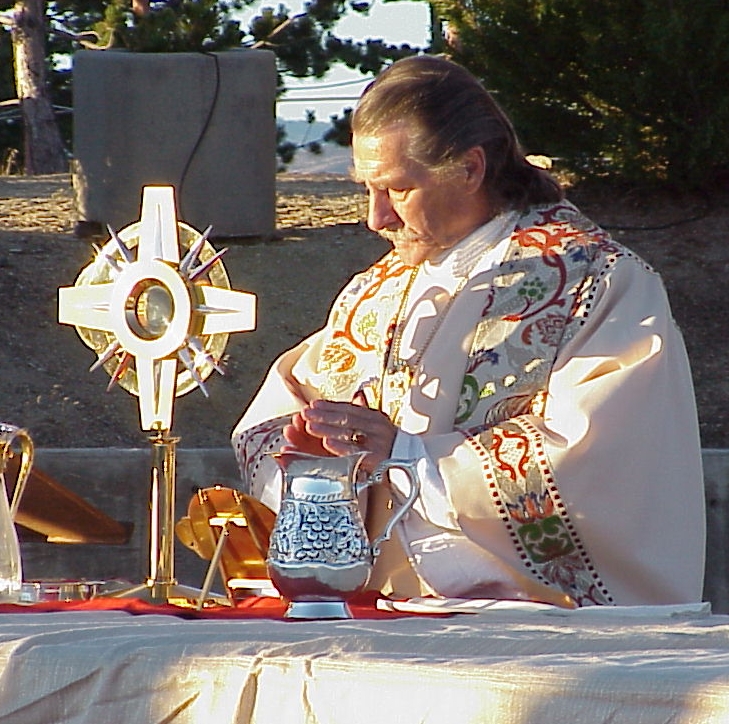
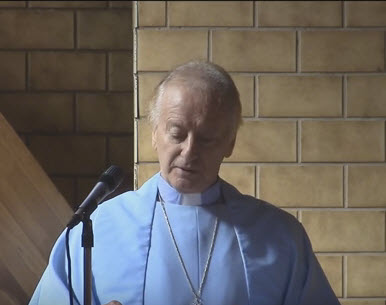
Each week of the liturgical year, a reading from Second Advent Scripture is delivered as part of the Saturday Communion of Fellowship Service held in the Chapel of the Holy Child. This reading follows the Sacred Calendar of the Church; that is, Prophecies and Revelations that have been received by The Church on sacred dates are recalled in a liturgical context during the appropriate season each year. This reading is delivered just before the final blessings. Each service also includes a reading from the ancient scriptures, prayers, or wisdom sayings of various world religions past and present and is usually thematically related to the Second Advent Reading. This reading is delivered by the Reader right after the announcements that begin the service and is thus the first reading of the service. An audio recording of the reading from Second Advent Scripture delivered on the date above is provided here below together with a transcript of the first reading of the service that day.
Click here to watch this week’s readings on YouTube. (17:04 minutes)
SECOND ADVENT PROPHECY AND REVELATION
A Reading from The Book of God’s Revelation, Book II: The Seal of God’s New Law (pp. 137-144).
ANCIENT SCRIPTURE AND WISDOM SAYINGS
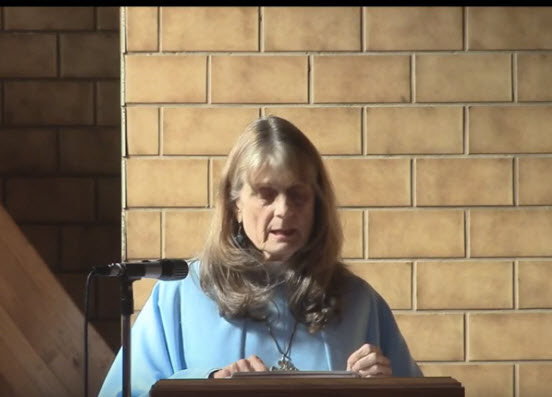
A Reading from the Writings of Isaiah:
Arise, shine, for thy light is come, and the glory of the LORD is risen upon you.
For behold, the darkness will cover the earth, and gross darkness the people, but the Lord will are upon you, and his glory will be seen upon you.
And the nations will come to your light, and kings to the brightness of your rising.
Lift up your eyes round above and see all they gather themselves together, they come to you, your sons will come from far and your daughters will be nursed at your side.
Then you will see, and flow together, and your heart will fear, and be enlarge, because the abundance of the sea will be converted to you, the forces of the nation will come to you.
Violence will no more be heard in your land, wasting nor destruction within your borders; but you will call your walls Salvation , and the gates Praise.
The sun will be no more your light by day; neither for brightness will the moon give light to you: but the LORD will be to you an everlasting light, and your God you glory.
Click here to watch this week’s readings on YouTube. (17:04 minutes)